

Maximizing Residential Performance with a Professional Heating and Air Conditioning Technician
In an era where energy conservation is paramount, increasing your home's thermal efficiency can lead to substantial financial and environmental benefits. Achieving a high-performance home requires a comprehensive strategy that blends diagnostic analysis with technical upgrades to reduce utility bills and enhance indoor comfort. With rising utility costs and the environmental impacts of excessive consumption, now is the ideal time to take actionable steps toward sustainability. Improving efficiency is not merely about saving money; it is about creating a resilient living space that utilizes resources responsibly. By following proven methods and techniques, homeowners can significantly cut down on energy usage while enjoying a more consistent and healthy interior climate.
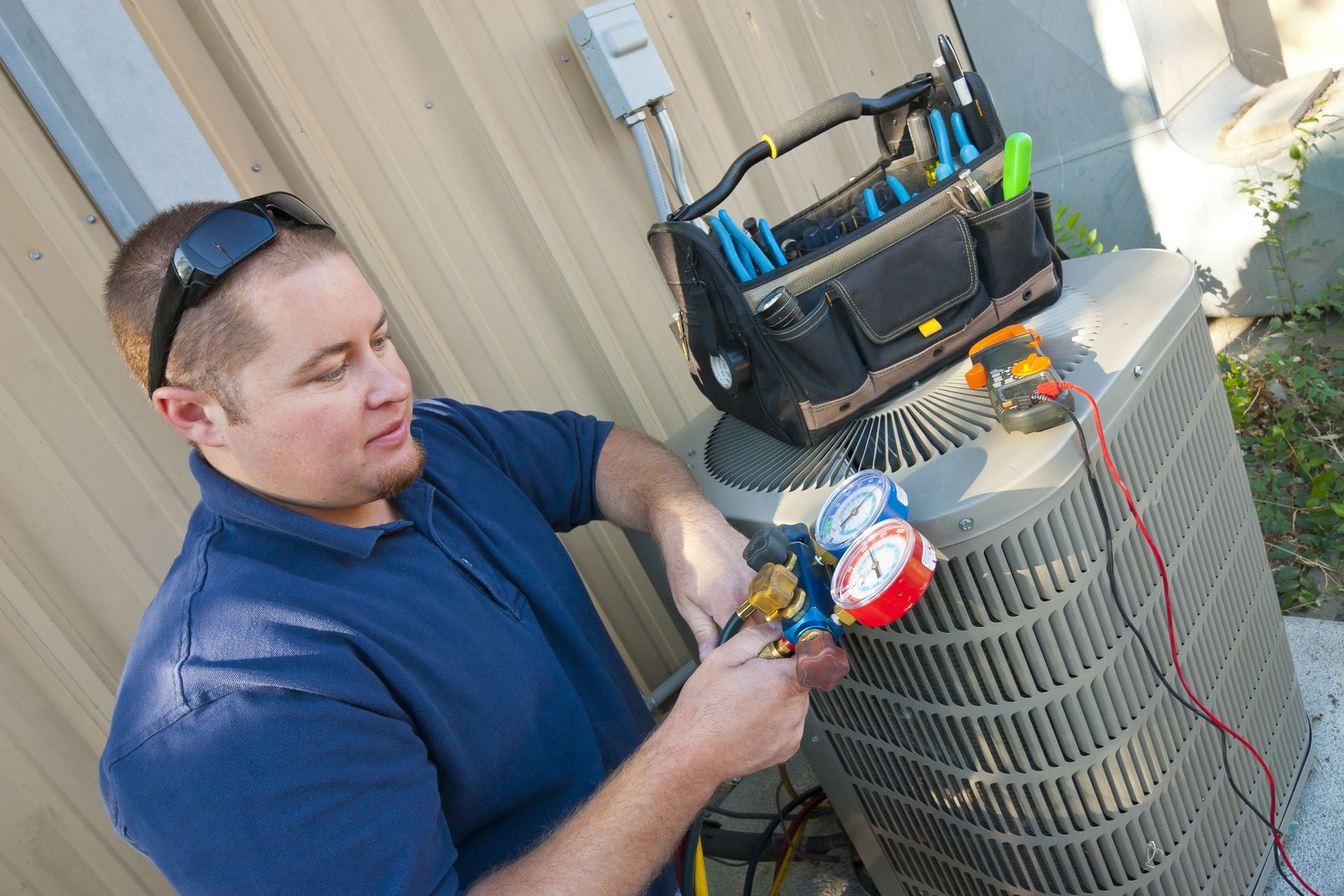
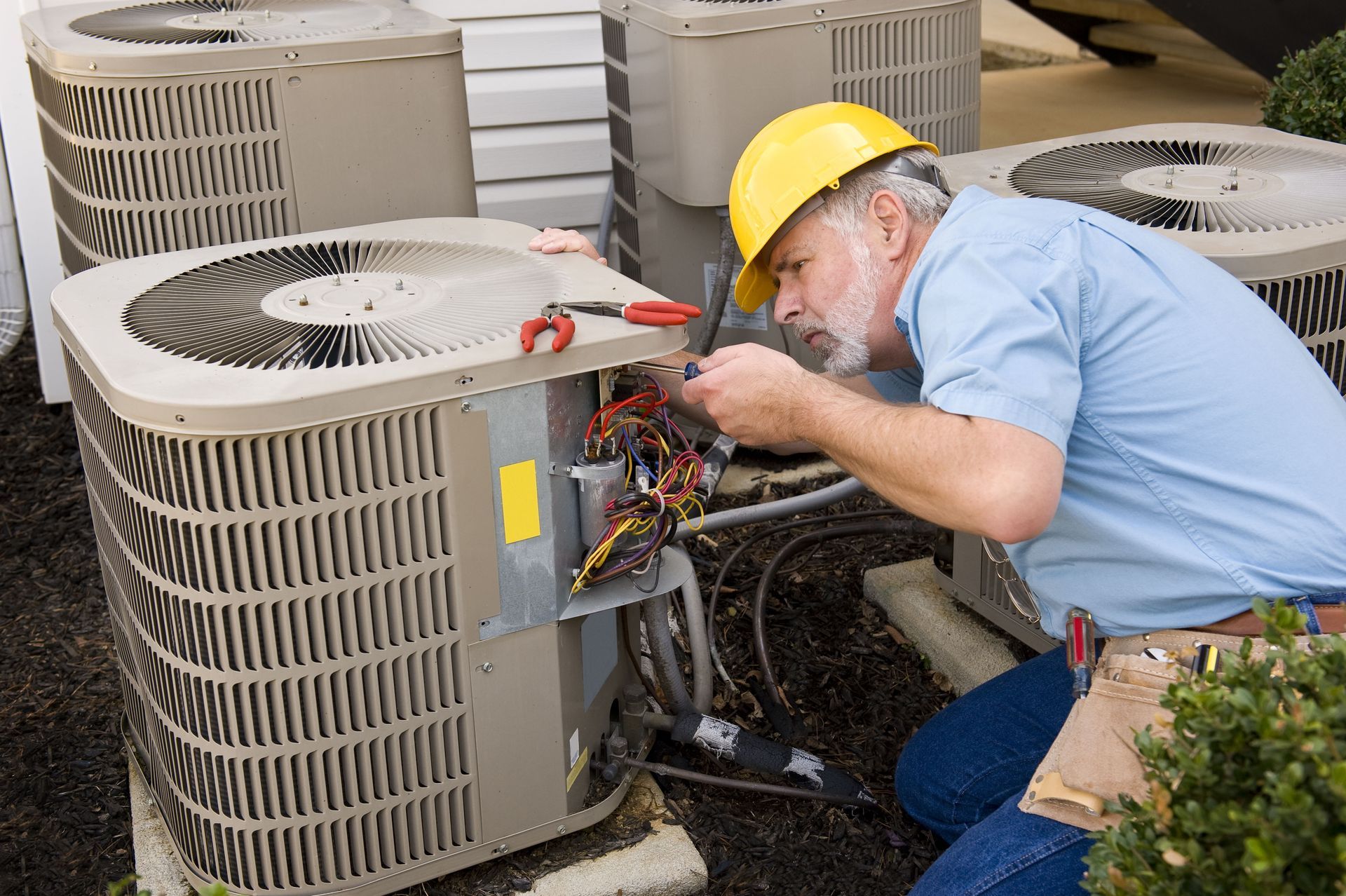
A proactive approach to home maintenance moves beyond simple aesthetics and into the structural integrity of your utility systems. One of the most effective ways to ensure your home remains efficient is through the specialized oversight of a professional. A heating and air conditioning technician provides the technical expertise required to evaluate complex machinery and air distribution networks that the average homeowner might overlook. According to This Old House, properly sealed HVAC ducts can increase efficiency by up to 20%. This single intervention, performed by a specialist, ensures that the air you pay to condition actually reaches your living spaces rather than escaping into attics or crawlspaces.
Conducting Comprehensive Professional Energy Audits
An energy audit is a detailed analysis of a home's consumption patterns, designed to identify specific areas where insulation or mechanical failures lead to waste. While a basic self-assessment can identify obvious drafts around windows and doors, professional audits involve specialists who use advanced equipment like blower doors and infrared cameras to pinpoint invisible leaks. These experts can provide a tangible roadmap toward sustainable living by highlighting exactly where your property loses the most thermal energy. During these inspections, a heating and air conditioning technician can assess the internal health of your furnace or heat pump, ensuring that the primary drivers of your comfort are operating at peak capacity. By focusing initially on high-priority recommendations, such as addressing major sources of air loss, homeowners can systematically improve their property's performance over time.
Mastering Advanced Insulation and Sealing Techniques
Proper insulation is fundamental to maintaining a consistent temperature, effectively acting as a thermal barrier that reduces the workload on your HVAC system. There are various materials available, from traditional fiberglass to high-performance spray foam that expands to fill minute gaps and crevices. Identifying and sealing air leaks around chimneys, attics, and electrical outlets is equally crucial, as these small openings collectively represent a significant source of energy loss. According to This Old House, properly sealed HVAC ducts can increase efficiency by up to 20%, which is why a specialist often focuses on the distribution network alongside wall insulation. Professional installation ensures that moisture barriers are correctly placed to prevent mold growth while maintaining the necessary ventilation to avoid stale indoor air.
Optimizing Mechanical Heating and Cooling Systems
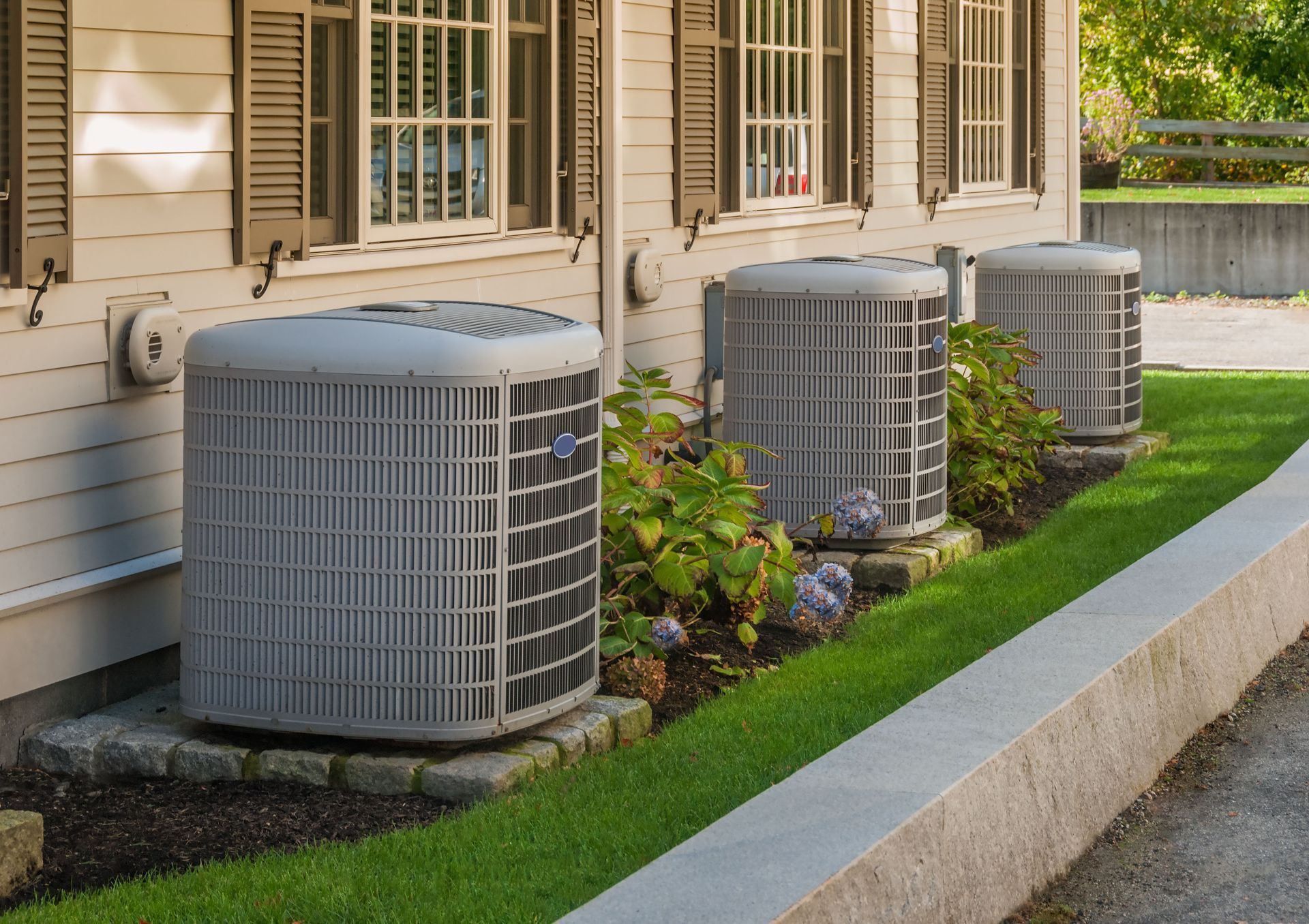
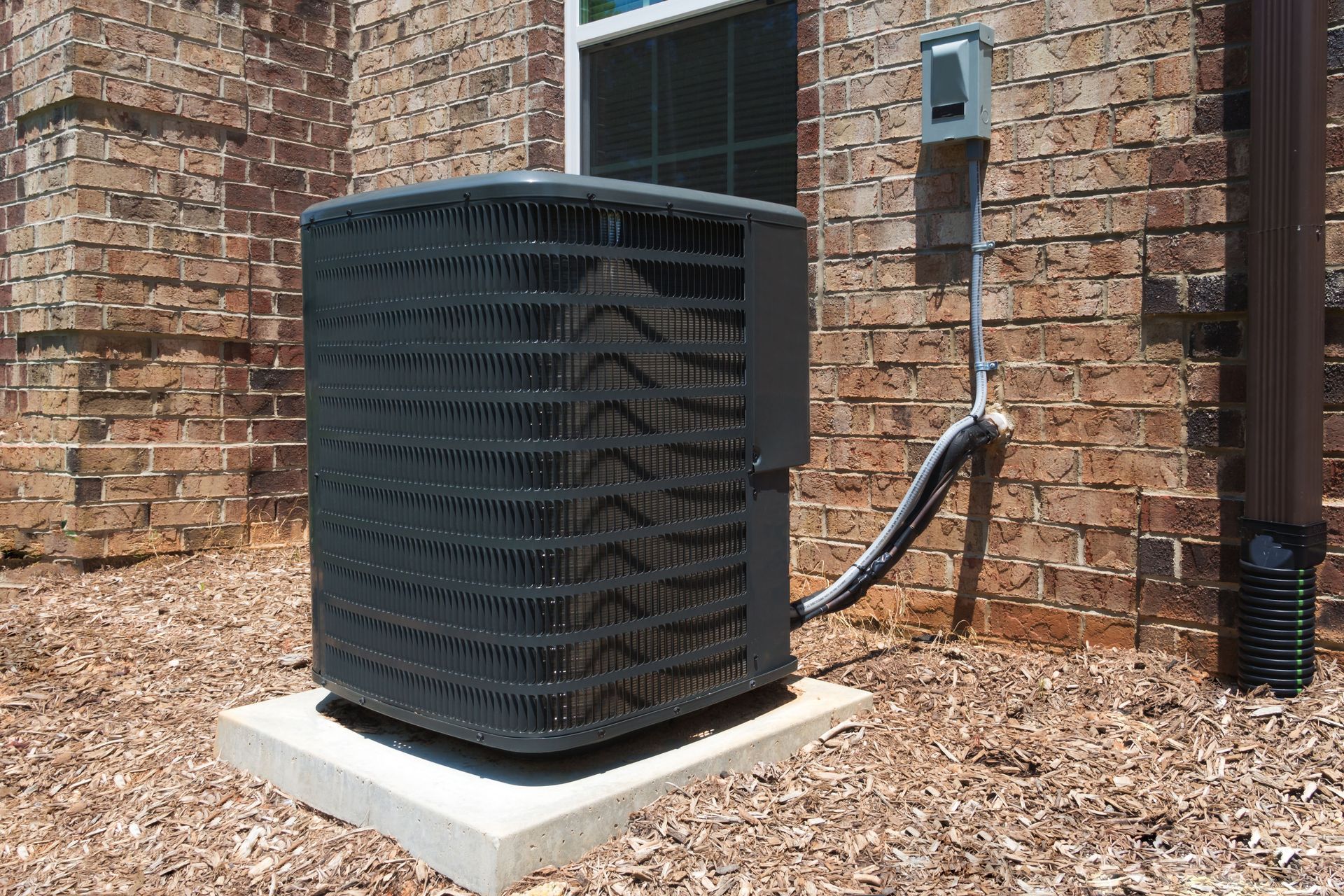
The efficiency of modern climate control is often measured by ratings such as SEER for air conditioners or AFUE for furnaces, where higher numbers indicate lower operating costs. Understanding these ratings is essential when choosing to upgrade to energy-efficient models that feature variable-speed compressors and advanced heat exchange technologies. Regular maintenance performed by a heating and air conditioning technician is the most effective way to sustain these efficiency levels, as they can perform deep cleanings of coils and calibrate thermostats for optimal accuracy. This specialized care prevents small mechanical frictions from evolving into major failures, extending the lifespan of the equipment. Furthermore, a technician can evaluate the integrity of your ductwork to ensure that no conditioned air is lost to leaks, thereby maintaining the 20% efficiency boost provided by proper sealing.
Enhancing Lighting Efficiency and Smart Automation
Switching to energy-efficient lighting remains one of the simplest yet most impactful ways to reduce electricity consumption throughout the home. LED bulbs offer significantly longer lifespans and lower energy use compared to traditional incandescent options, often paying for themselves within a few years of installation. Beyond bulb replacement, smart lighting systems and motion sensors ensure that electricity is only used when rooms are actually occupied, eliminating the waste associated with forgotten switches. Task lighting and the strategic use of natural light through mirrors can further reduce the need for overhead illumination. Properly maintained fixtures ensure that dust and dirt do not obscure light output, which would otherwise require higher wattage to achieve the same level of visibility and comfort.
Improving Water Heating and Distribution Efficiency
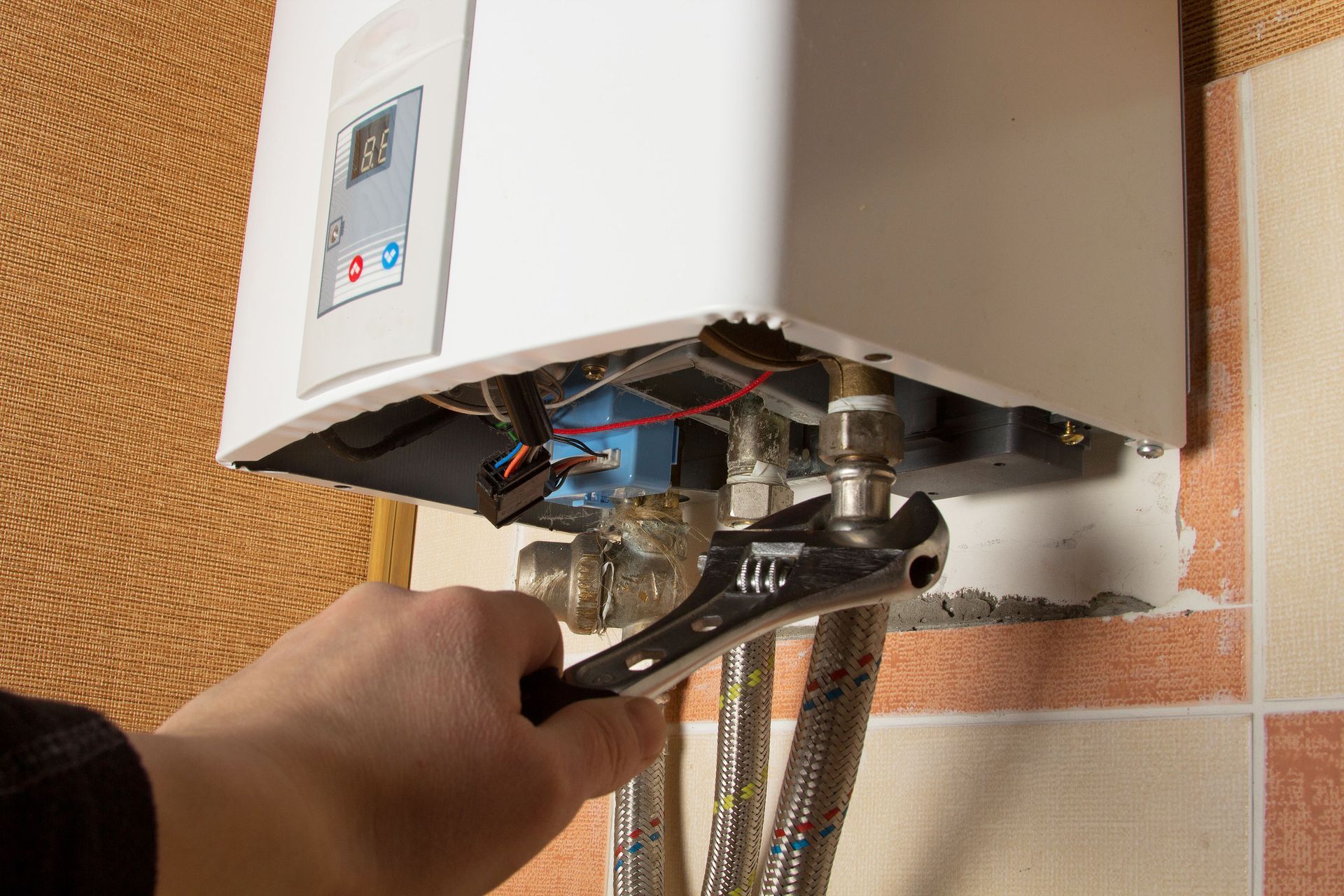
Choosing the right water heating technology can greatly impact your monthly utility expenditure, with tankless and solar-powered models offering significant reductions in standby heat loss. Insulating the water heater tank and the corresponding hot water pipes ensures that thermal energy is preserved as water travels from the source to your taps. Adjusting the thermostat to approximately 120 degrees Fahrenheit provides a perfect balance between comfort and conservation while reducing the risk of scalding. Incorporating water-saving fixtures, such as low-flow showerheads and aerators, further decreases the volume of water that needs to be heated in the first place. Routine maintenance, including flushing the tank to remove sediment, ensures the system operates efficiently and prevents internal corrosion from shortening its operational lifespan.
Integrating Modern Renewable Energy Sources
Investing in residential renewable energy, such as solar panels or geothermal systems, represents the ultimate step toward energy independence and long-term sustainability. Solar panels convert sunlight into clean electricity, while geothermal loops utilize the constant temperature of the earth to provide highly efficient heating and cooling throughout the year. Although the initial installation costs can be significant, government incentives and long-term utility savings often justify the investment. Integrating these systems requires a high level of coordination with existing house wiring and plumbing to ensure a seamless transition to green power. A professional heating and air conditioning technician can assist in ensuring that these renewable sources are properly interfaced with your existing HVAC components for maximum synergy.
Improving your home's energy efficiency is a multi-faceted process that leads to significant financial savings and a healthier environment. By following the strategies outlined above, from professional audits to the integration of renewable energy, you can create a resilient and sustainable living space. Each targeted intervention contributes to a lower carbon footprint and more predictable monthly expenses. Ultimately, a commitment to efficiency ensures long-term comfort while preserving the planet for future generations. Furthermore, the adoption of these modern technologies reflects a forward-thinking approach to property management that anticipates future energy trends and regulatory shifts. This comprehensive evolution of your home's infrastructure not only secures your current financial well-being but also establishes a foundation of reliability that will endure for decades to come.
True efficiency is achieved when technical precision meets consistent maintenance. By working with a specialist, you ensure that every component of your home's climate and energy network is operating at its maximum potential. These professionals have the specialized training to identify hidden inefficiencies in your ductwork and machinery that DIY efforts might miss entirely. Taking a proactive stance today prevents expensive emergency repairs and provides a more stable, enjoyable interior environment. Now is the ideal time to take control of your home's performance and enjoy the lasting benefits of a modernized, energy-efficient property. Contact Tweet Garot Mechanical Certified Inc to schedule an inspection with a professional technician and start saving on your energy bills!
Share On: