

Emergency Repairs: When to Call a Heating and Air Conditioning Company
Climate control systems fail at the most inconvenient times imaginable. A winter chill or summer heat wave places massive mechanical strain on delicate climate equipment. Homeowners ignore minor functional issues until catastrophic failure occurs. Recognizing the vital distinction between a minor malfunction and a severe emergency prevents massive property damage. Understanding these subtle signs protects the entire home environment and ensures safety for occupants throughout the season. Ignoring the subtle warnings of mechanical failure guarantees future hardship and massive replacement costs.
Home maintenance requires absolute vigilance and keen environmental awareness. Disregarding strange symptoms leads to expensive internal component replacements. People must know when professional intervention becomes a necessity. Calling a heating and air conditioning company at the right moment saves money and prevents a total system breakdown. Delaying vital repairs causes escalating problems for the homeowner. This guide outlines the critical situations requiring immediate expert assistance to maintain optimal indoor environments without risking further structural damage.
Spotting Strange Sounds From the System
A maintained climate unit operates with a steady, quiet hum. Sudden changes in acoustic profiles indicate serious mechanical trouble. Grinding noises suggest worn bearings within the central motor assembly. Screeching sounds point to failing rubber belts or internal fan issues inside the cabinet. These disruptive noises signify heavy metal parts scraping together without lubrication. Ignoring the cacophony leads to permanent motor damage and extensive repair bills. Evaluating sounds ensures longevity.
Banging or clanking sounds originate from loose internal components. A dislodged blower wheel rattles against the protective metal housing. Popping sounds from deep ductwork indicate severe pressure imbalances. Rhythmic thumping points to physical debris caught in the delicate fan blades. Each distinct noise tells a profound story of internal mechanical stress. Addressing the root cause requires specialized diagnostic tools and expert knowledge of complex internal system components.
Hissing noises present a different category of household danger. Air escaping from compromised ducts causes a light whisper. A loud hiss near the exterior unit indicates a hazardous refrigerant leak. Refrigerant operates under high pressure. Escaping gas compromises cooling capacity and poses tangible health risks. Equipment working without sufficient refrigerant overheats and suffers irreversible compressor failure. This specific failure requires massive financial investment to rectify.
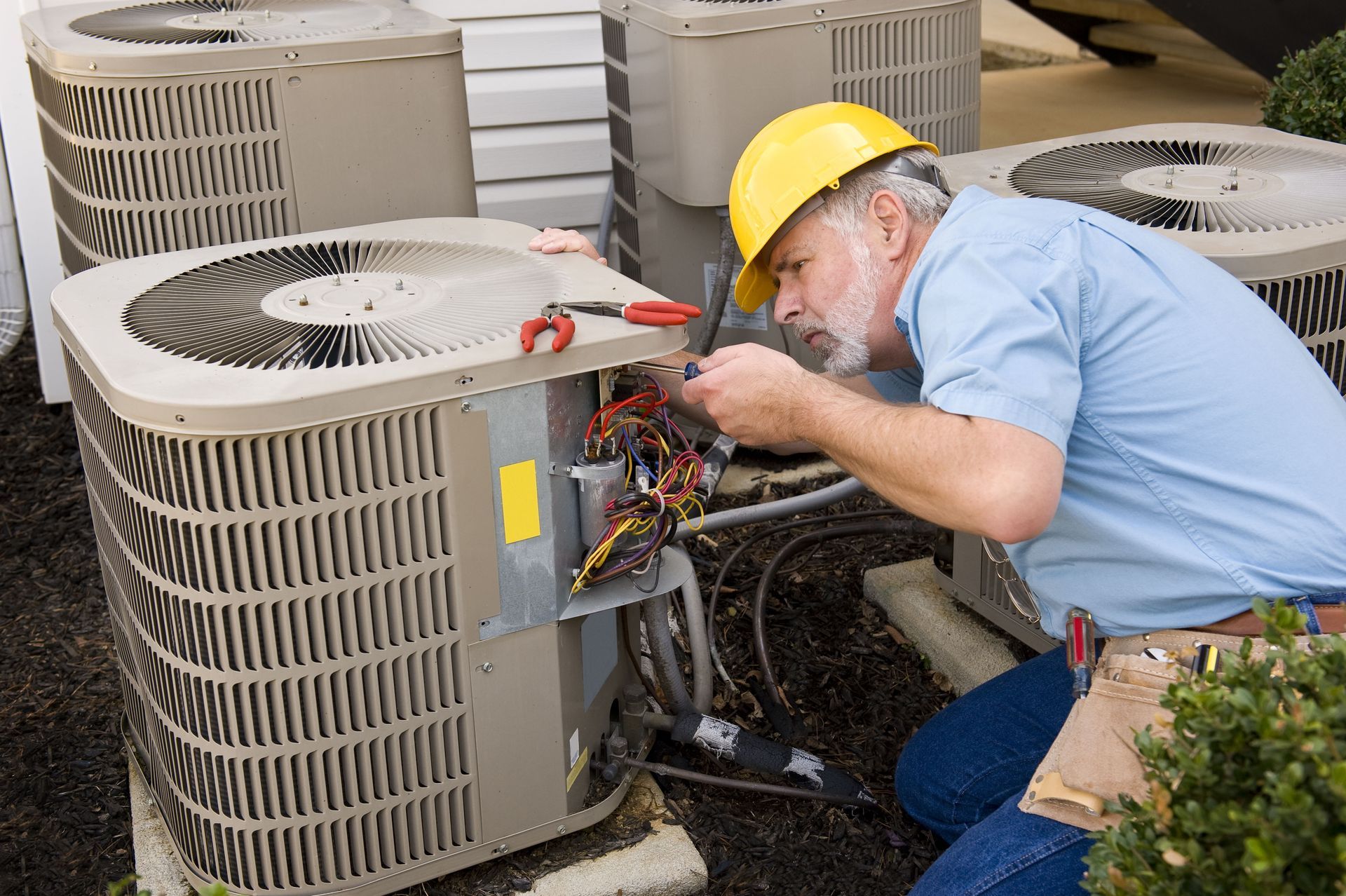
Any new, persistent noise mandates immediate professional evaluation. Attempting amateur repairs on complex mechanical systems voids manufacturer warranties and risks personal injury. Experienced technicians possess the necessary skills to interpret these vital auditory warnings. Contacting a reliable heating and air conditioning company ensures a safe resolution. Technicians dismantle the unit, locate the damaged part, and restore the equipment to quiet operation. Professional service restores quiet comfort.
Smelling Unusual Odors in the House
Clean air circulating through the vents is essential for ideal indoor comfort. Noticeable smells coming from the registers indicate severe underlying issues. A musty, damp odor suggests toxic mold growth within the ductwork or on the internal evaporator coils. Moisture accumulation creates the perfect breeding ground for toxic spores. Breathing compromised air exacerbates severe allergies and respiratory conditions for vulnerable residents living in the space.
Burning smells require immediate attention and extreme personal caution. The distinct scent of an electrical fire points to melting wire insulation or an overheating blower motor. Dust burning off the heat exchanger during autumn creates a brief smell. A persistent acrid stench means essential electrical components are failing under load. Shutting off the power at the main breaker panel is the safest course of action.
A smell resembling rotten eggs signals a catastrophic environmental hazard. Utility providers add this distinct scent to natural gas to warn of invisible leaks. Gas leaks create extreme risks of devastating fire and structural explosion. Evacuating the premises takes ultimate top priority. After securing personal safety, reaching out to a heating and air conditioning company is paramount. Experts must secure the gas lines before restoring active service.
Chemical odors demand thorough expert investigation. The scent of sweet ether indicates leaking chemical fluids from the exterior condenser. These volatile chemicals damage the environment and reduce overall system efficiency. Running an air unit with chemical leaks destroys the fragile internal mechanisms. Professional contractors utilize sensitive leak detectors to seal the breach. Restoring pure indoor air protects the entire household from toxic chemical exposure.
Noticing Inconsistent Temperatures in Rooms
Optimal climate control provides uniform comfort throughout the entire residence. Experiencing drastic temperature variations between separate rooms points to systemic mechanical failure. A freezing living area combined with a sweltering bedroom indicates poor internal airflow. Blocked vents or compromised ductwork restrict the even distribution of treated air. The system works harder to compensate, wasting precious energy and accelerating massive mechanical wear and tear.
Thermostat malfunctions cause erratic heating and cooling patterns. The control unit might fail to communicate with the central machinery. The sensitive sensor misreads the ambient temperature, causing rapid short cycling. A dependable heating and air conditioning company calibrates or replaces the faulty electronic device. Proper synchronization between the thermostat and the main mechanical unit guarantees steady, comfortable living environments for the inhabitants.
Aging infrastructure struggles to maintain consistent indoor climates. Equipment nearing the end of its operational lifespan loses efficiency and thermal output capacity. Complete system upgrading becomes a necessity. According to Grand View Research, residential HVAC systems account for almost 40% of the HVAC market. This massive scale highlights the paramount importance of reliable home comfort. Modernizing old units restores atmospheric balance and lowers monthly utility bills.
Inadequate insulation exacerbates noticeable indoor temperature imbalances. Drafty windows and uninsulated attics let treated air escape into the outside atmosphere. The central unit runs without stopping to replace the lost conditioned air. This constant operation stresses the blower motor and primary heat exchanger. Evaluating the entire home envelope provides essential diagnostic clues. Professionals seal hidden leaks and upgrade insulation to complement the mechanical efforts of the climate unit.
Observing Leaks Around the Equipment
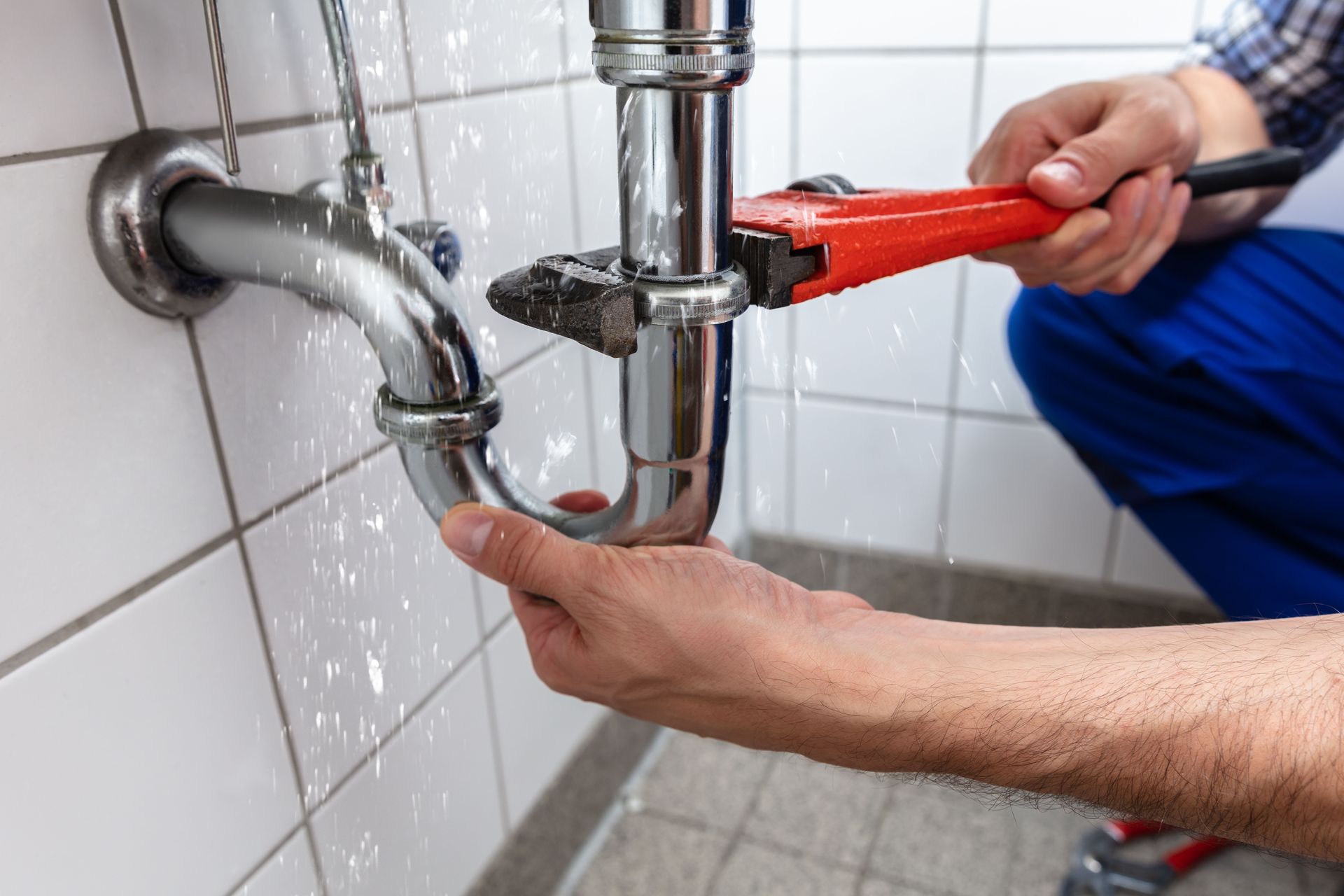
Puddles forming near the indoor handler signify severe blockages or structural breaks. Condensation forms during the active cooling process. A designated drain line carries this accumulated moisture outside. Algae or dirt clog this critical vital pathway. Water backs up and overflows the shallow metallic drip pan. Moisture spills onto the floor, ruining expensive drywall and promoting wood rot in the surrounding structural foundation elements.
Ice accumulating on the evaporator coils indicates severe airflow restriction or low internal pressure. Frozen coils cannot absorb ambient heat from the indoor air. The vital cooling process stops in its tracks. As the massive block of ice melts, overwhelming amounts of water flood the system. Changing the filter might resolve minor temporary restrictions. If the dense ice persists, the underlying cause requires specialized tools and professional training.
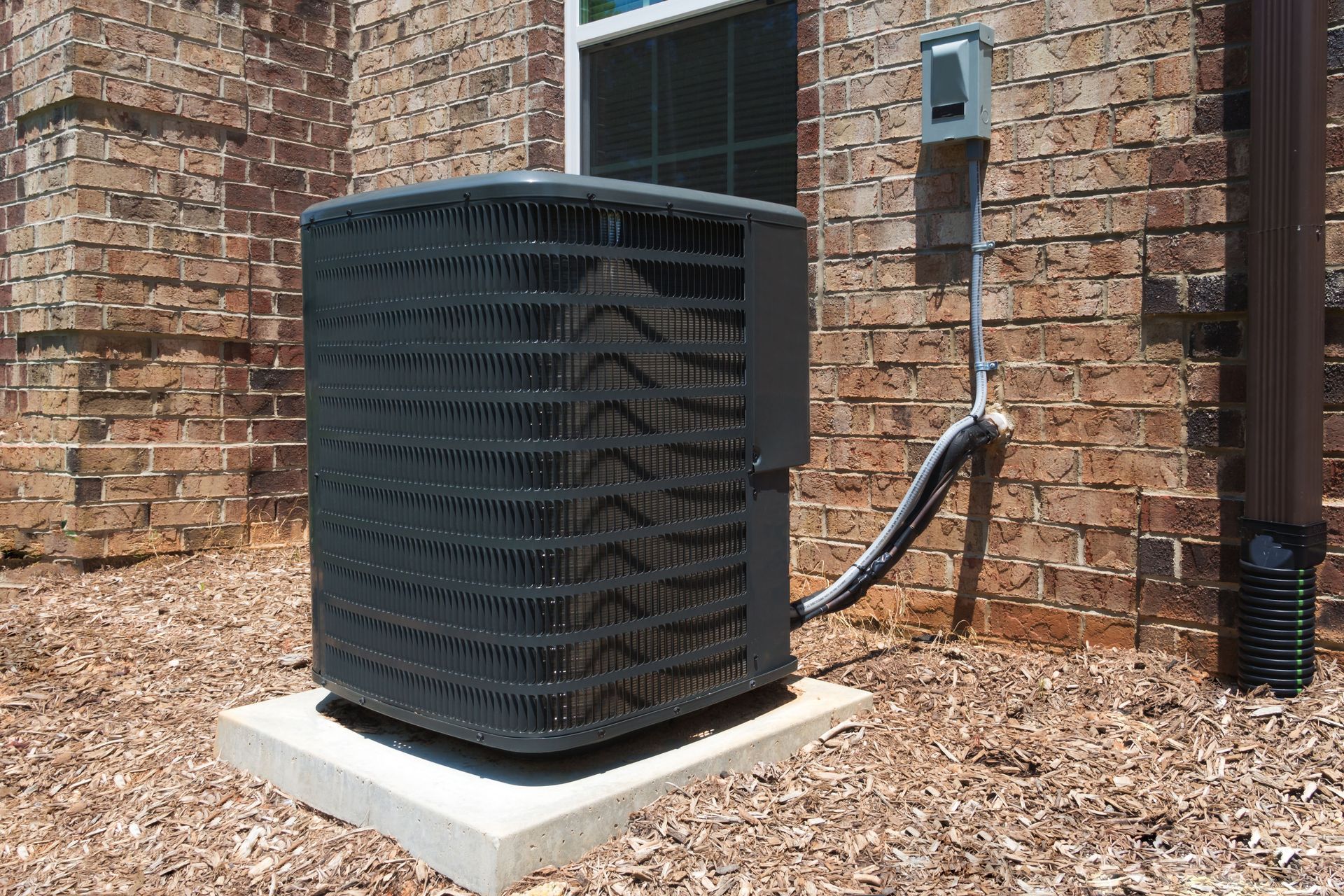
Refrigerant pooling around the exterior condenser poses severe operational hazards. The system relies on a precise chemical charge to function. Loss of this essential fluid compromises the entire thermal transfer process. Calling a proficient heating and air conditioning company prevents total mechanical compressor failure. Technicians patch the fragile copper lines and recharge the system with the appropriate chemical blend. Precision tools ensure an exact fix.
Rust and corrosion on the metal housing suggest chronic, ongoing moisture problems. Long-term exposure to standing water weakens the structural integrity of the steel protective cabinet. Weakened panels vibrate and cause additional disruptive mechanical noise. Addressing hidden moisture issues preserves the overall longevity of the expensive equipment. Prompt intervention stops the destructive spread of surface rust. Keeping the area dry extends the life of the valuable machinery.
Maintaining an optimal indoor environment requires absolute diligence and keen observation. Recognizing the stark warning signs of mechanical distress prevents minor inconveniences from becoming major home disasters. Strange sounds, foul odors, inconsistent climates, and pooling water signal profound mechanical distress. Partnering with a reliable heating and air conditioning company provides profound peace of mind. Professionals possess the advanced diagnostic tools and rigorous training to restore functional operations. When an unexpected breakdown strikes your home, contact Tweet Garot Mechanical Certified Inc. immediately for professional assistance. Our experienced heating and air conditioning company will promptly restore your climate system to safe and optimal working condition.
Share On: